


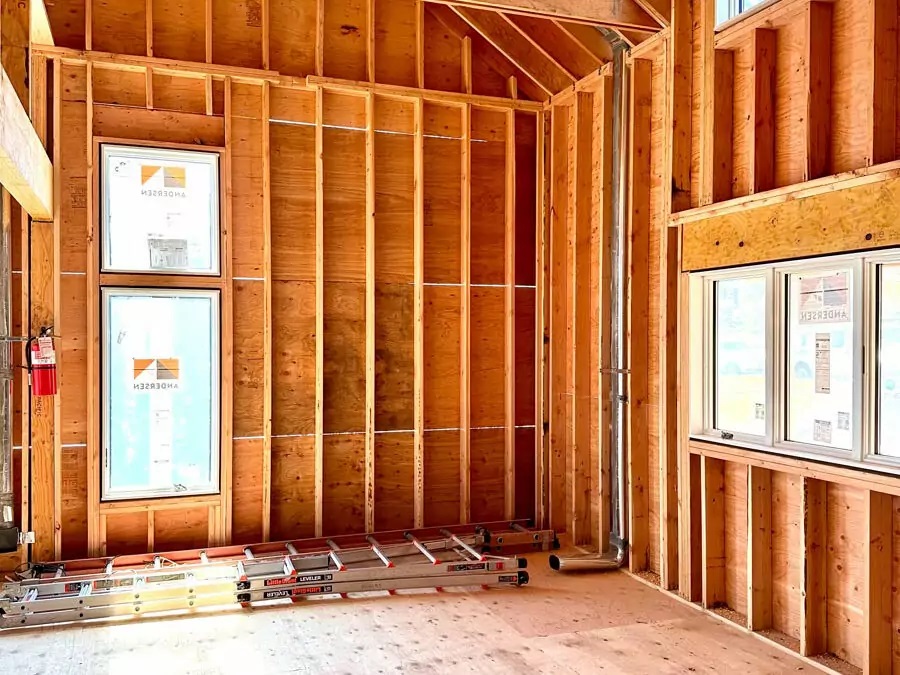
Constructing a new building in the United States requires compliance with federal, state, and local regulations to ensure safety, sustainability, and structural integrity. Here’s a comprehensive guide to help navigate the process:
1. Obtain Necessary Permits
Before starting any construction project, secure the required permits from the local building authority. This typically includes:
- Building permits
- Electrical permits
- Plumbing permits
- Mechanical permits
2. Follow Zoning Laws
Verify zoning regulations to determine how the land can be used (residential, commercial, industrial) and comply with any restrictions regarding height, setbacks, and density.
3. Develop Construction Plans
Hire licensed architects and engineers to create detailed construction plans, which must be submitted for approval. Plans should include:
- Site layout
- Structural drawings
- Electrical and plumbing designs
- HVAC systems
4. Ensure Safety Standards
Comply with OSHA (Occupational Safety and Health Administration) regulations to maintain workplace safety. This includes:
- Safety training for workers
- Proper use of protective equipment
- Hazard communication protocols
5. Meet Environmental Regulations
Follow federal and state environmental guidelines for construction waste disposal, erosion control, and water management. Obtain necessary environmental impact assessments if required.
6. Adhere to Building Codes
Construction must meet the International Building Code (IBC) standards, which cover structural strength, fire resistance, energy efficiency, and accessibility.
7. Schedule Inspections
Inspections are required at various stages of construction, including foundation, framing, electrical, plumbing, and final completion. Schedule these inspections with local authorities to ensure compliance.
8. Focus on Energy Efficiency
Incorporate energy-efficient designs and materials to meet Energy Star and LEED (Leadership in Energy and Environmental Design) standards.
9. Accessibility Requirements
Ensure compliance with the Americans with Disabilities Act (ADA) for accessibility features, such as ramps, handrails, and wider doorways.
10. Final Certification and Occupancy Permit
Once construction is complete and inspections are passed, obtain a Certificate of Occupancy to legally use the building.
Final Thoughts
Following these guidelines ensures that your construction project is legal, safe, and sustainable. Always consult with professionals, including architects, engineers, and legal advisors, to navigate complex regulations effectively.