


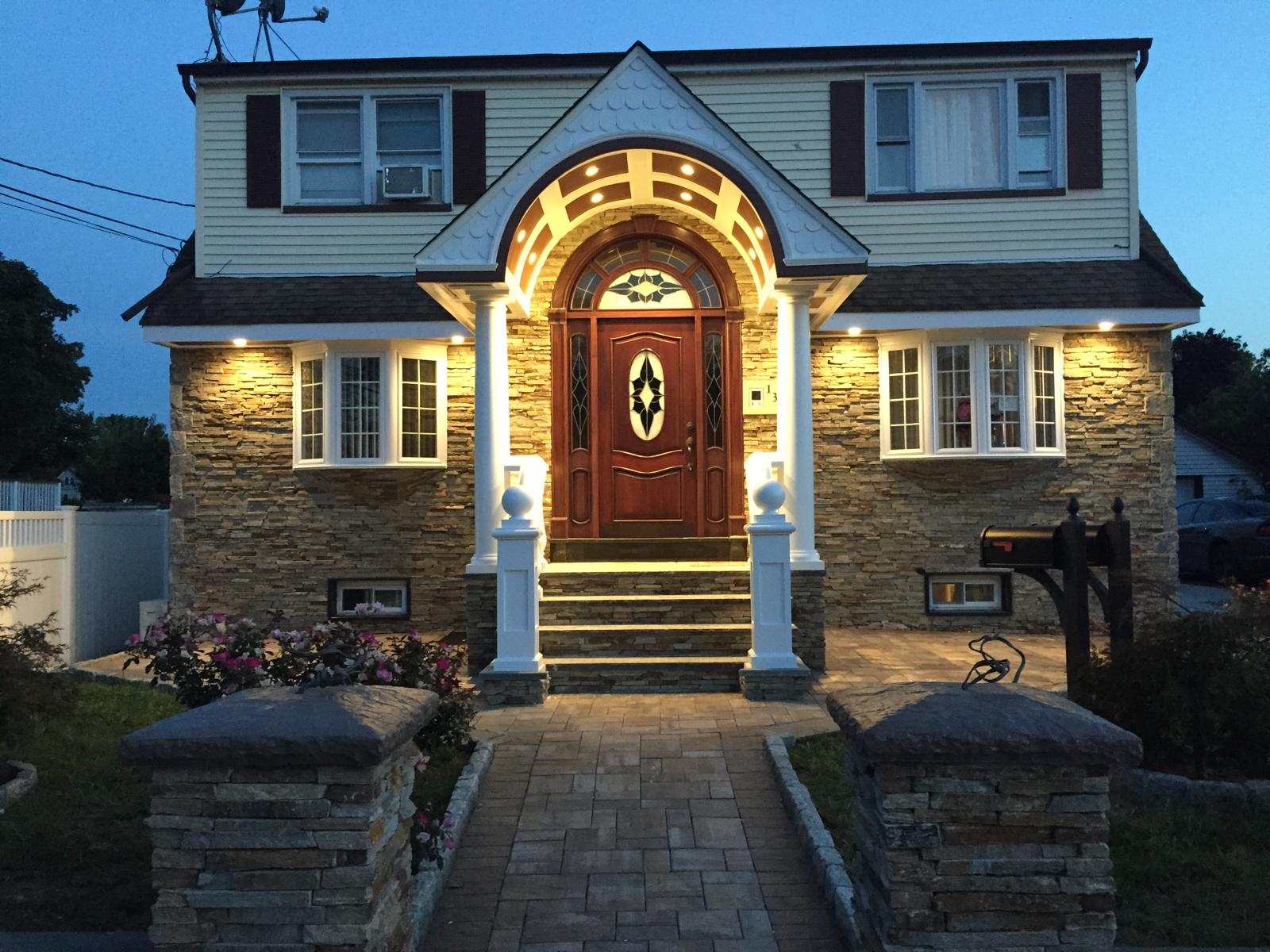
Proper installation of doors and windows is essential for durability, security, and energy efficiency. Follow these professional steps to ensure a flawless installation:
1. Preparation
- Measure Openings: Ensure the rough openings are square and level. Double-check dimensions to match the door or window size.
- Gather Tools and Materials: Prepare tools like a level, measuring tape, screws, shims, caulking gun, and insulation materials.
- Inspect Frames: Check frames for damage or warping before installation.
2. Installing a Door
- Position the Door Frame: Place the door frame into the rough opening and use shims to hold it in place.
- Level and Plumb: Use a level to make sure the frame is square and plumb. Adjust shims as needed.
- Secure the Frame: Nail or screw the frame through the shims to secure it in place.
- Install the Door: Hang the door on its hinges and test its swing to ensure smooth operation.
- Seal Gaps: Apply insulation around the frame and finish with trim to cover any gaps.
- Attach Hardware: Install handles, locks, and weather stripping as needed.
3. Installing a Window
- Dry Fit the Window: Place the window into the rough opening to test the fit.
- Apply Flashing Tape: Use flashing tape around the sill to prevent water infiltration.
- Insert the Window: Position the window and secure it using shims to keep it square and level.
- Fasten the Window: Screw or nail the window flange into place, following manufacturer instructions.
- Seal the Edges: Apply caulk around the window edges and install exterior flashing for added protection.
- Insulate and Finish: Use spray foam insulation to fill gaps and attach interior trim for a clean look.
4. Final Checks
- Test Operation: Open and close the door or window multiple times to check alignment and functionality.
- Weatherproofing: Ensure seals and weather stripping are tight to prevent drafts and water leakage.
- Clean Up: Remove any excess caulk, shims, or construction debris.
Final Thoughts
Proper installation of doors and windows requires attention to detail and precision. Following these professional guidelines will help you achieve a secure, weatherproof, and aesthetically pleasing result. Always consult manufacturer instructions and local building codes to ensure compliance.